7 Meal Ideas for Toddlers: Easy, Nutritious Options for Busy Families
Many parents want fresh ideas when it comes to feeding their toddlers. It can be tough to find meals that are easy to prepare, nutritious, and something young children actually want to eat.
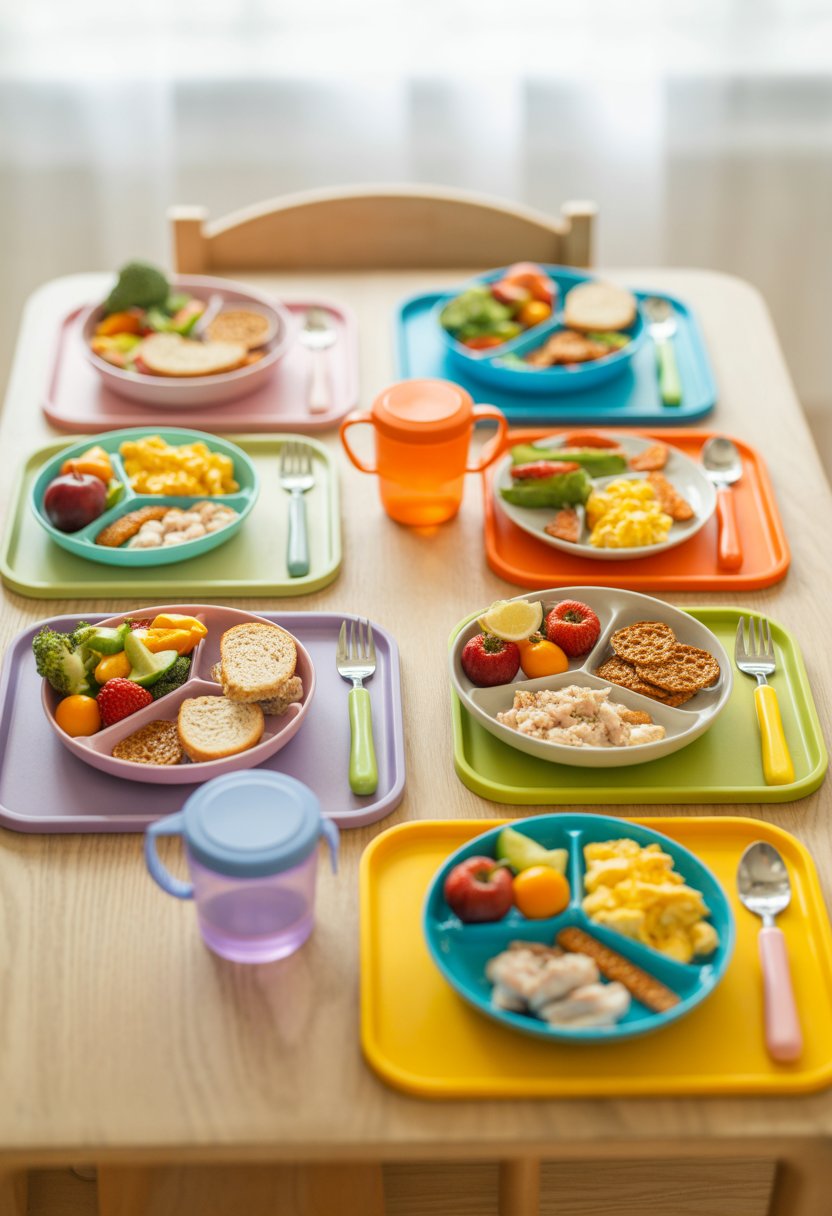
Simple and healthy toddler meal ideas help parents save time and can make mealtime less stressful. The following article gives a variety of options to help keep toddlers interested in food and support their growing bodies.
1) Mini turkey and vegetable meatballs
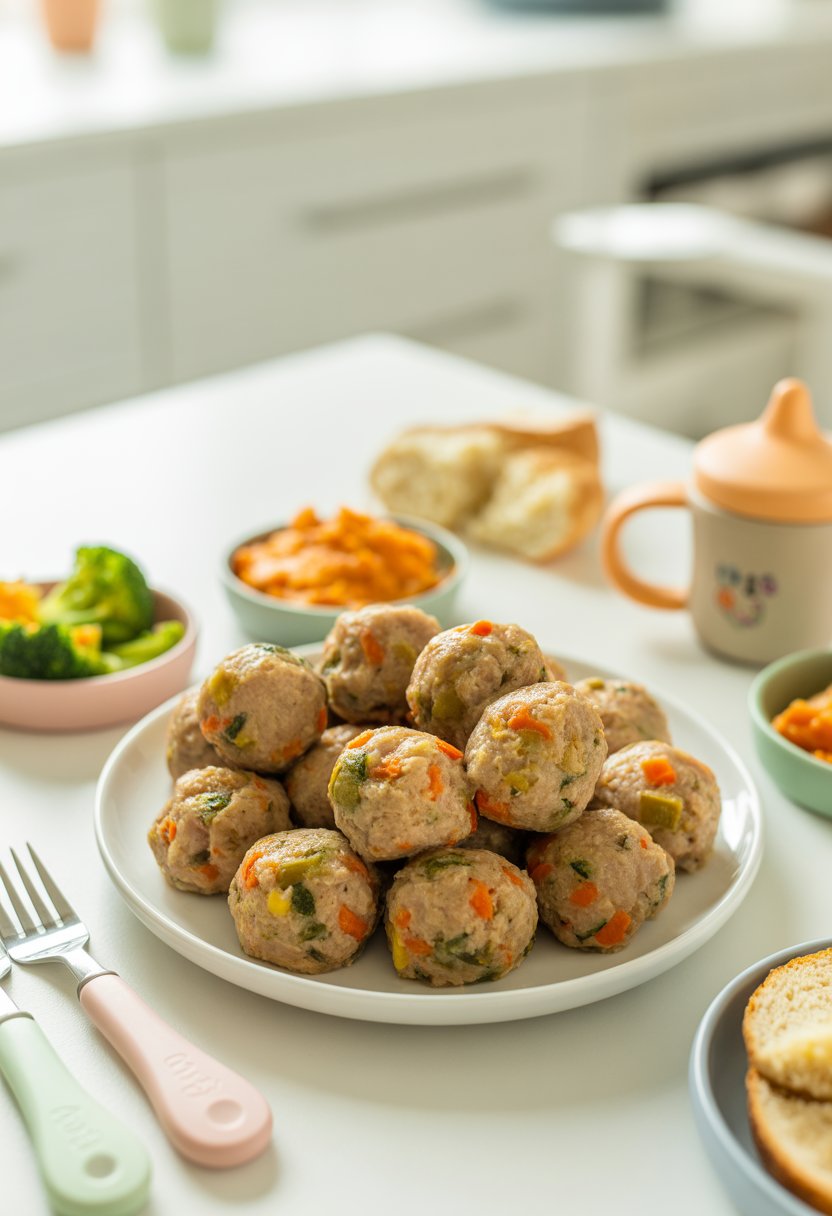
Mini turkey and vegetable meatballs are a good choice for toddlers. They use ground turkey mixed with finely chopped vegetables like carrots, spinach, or peas. These meatballs are soft and easy to chew.
They can be baked in the oven, which makes them a bit healthier than frying. Parents can serve them plain or with a simple tomato sauce. Kids often enjoy dipping them in sauces, too.
Meatballs like these provide protein, iron, and fiber. The vegetables add extra nutrients and taste.
2) Cheesy broccoli and rice casserole
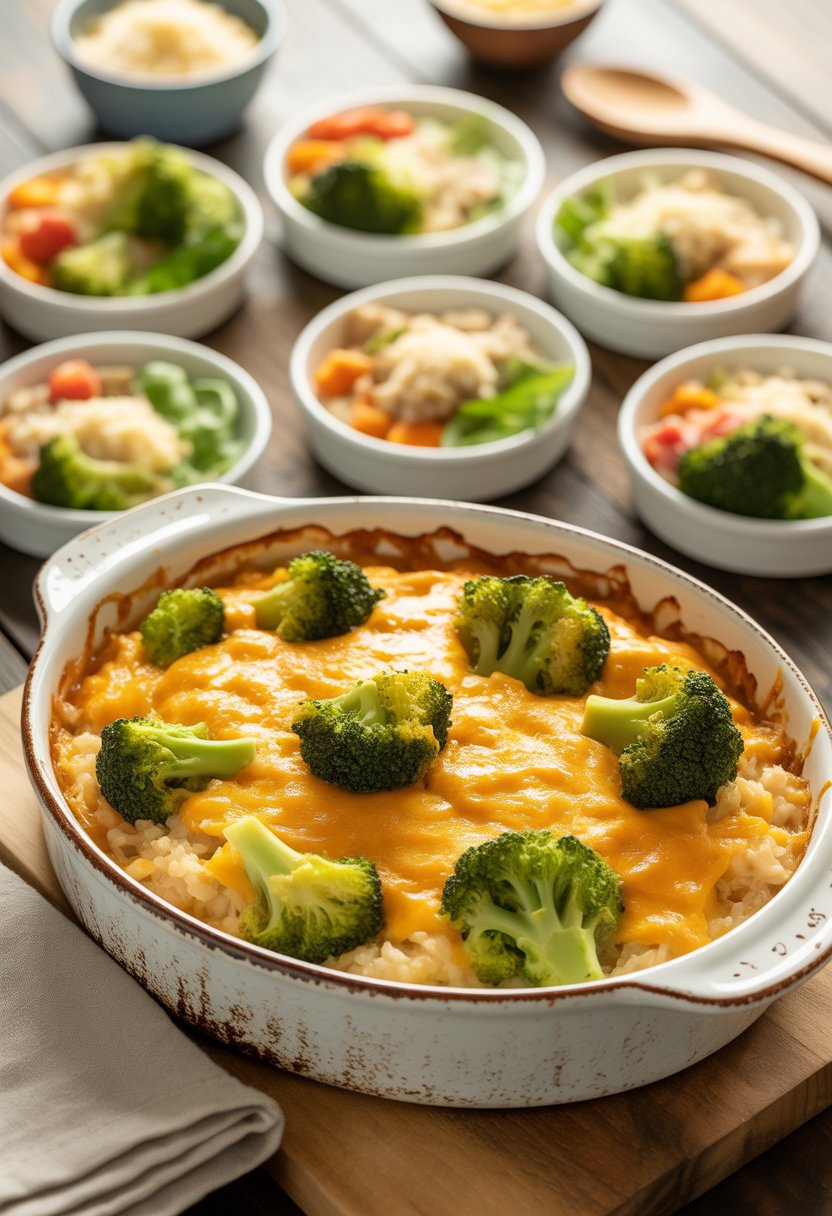
Cheesy broccoli and rice casserole is a mild, comforting meal for toddlers. It combines cooked rice, chopped broccoli, and shredded cheese baked together.
This dish works well as a main course or a side. Parents can add more vegetables or use brown rice for extra nutrition.
The creamy texture and cheesy taste make it child-friendly. Leftovers can be stored and reheated for quick future meals.
3) Sweet potato and black bean quesadillas
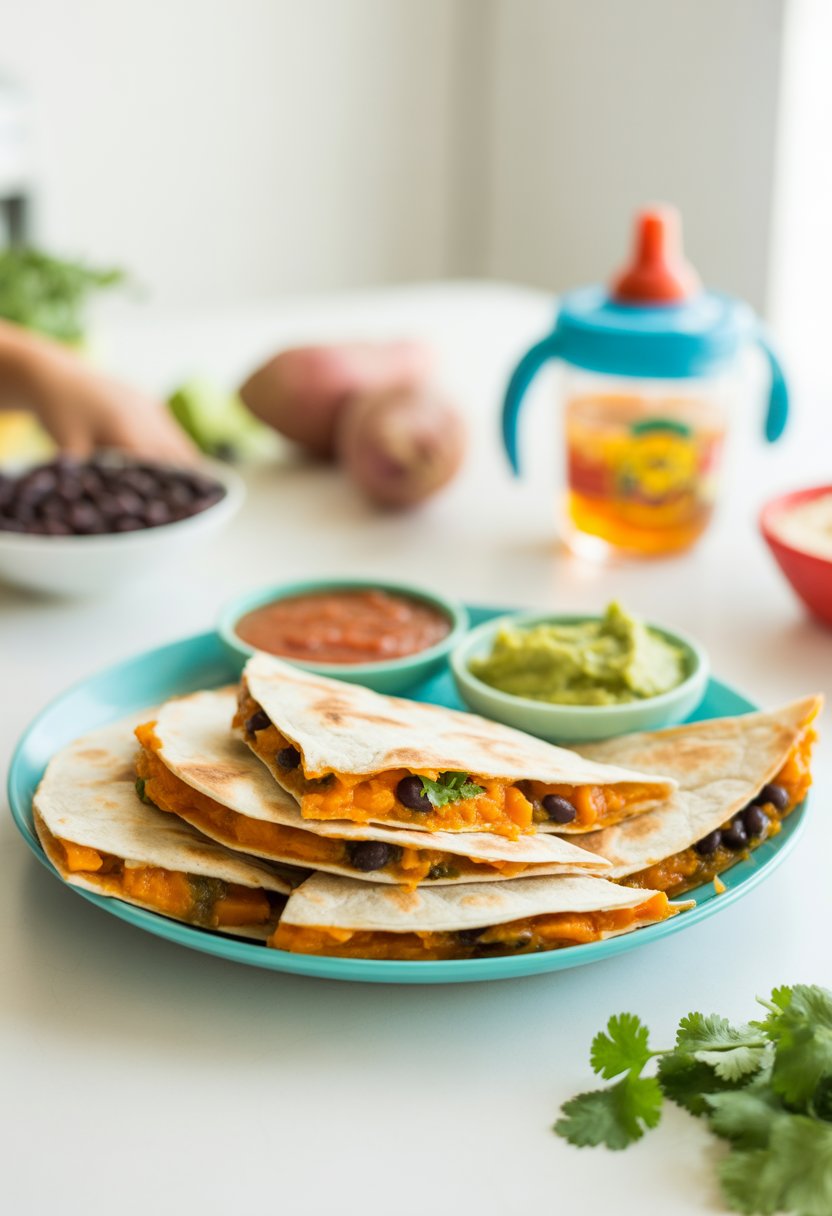
Sweet potato and black bean quesadillas are a simple meal that toddlers often enjoy. The mashed sweet potatoes create a creamy filling, while black beans provide protein and fiber.
Spread the sweet potato and black bean mix on a tortilla. Add shredded cheese and top with another tortilla. Cook in a skillet until the cheese melts and the tortilla turns golden brown.
These quesadillas can be served with simple sides like fruit or corn. The soft texture makes them easy for toddlers to eat.
4) Banana oat pancakes
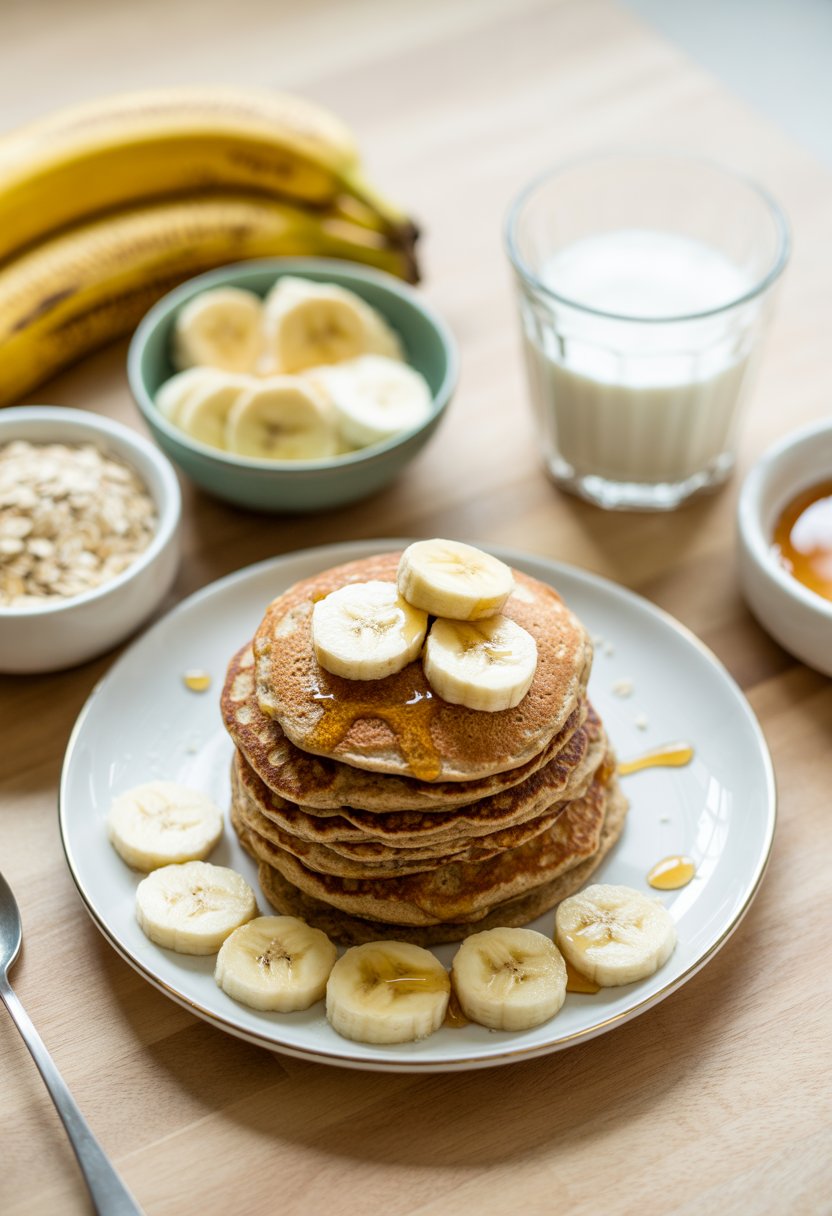
Banana oat pancakes are a simple and kid-friendly meal option. They use ripe bananas and oats, which are easy to mash and mix.
These pancakes can be made without added sugar and are soft for little hands to hold. Peanut butter or fruit like blueberries and strawberries can be added for extra flavor.
Leftover pancakes can be stored in the fridge for up to three days or frozen for later use.
5) Avocado and cream cheese sandwich
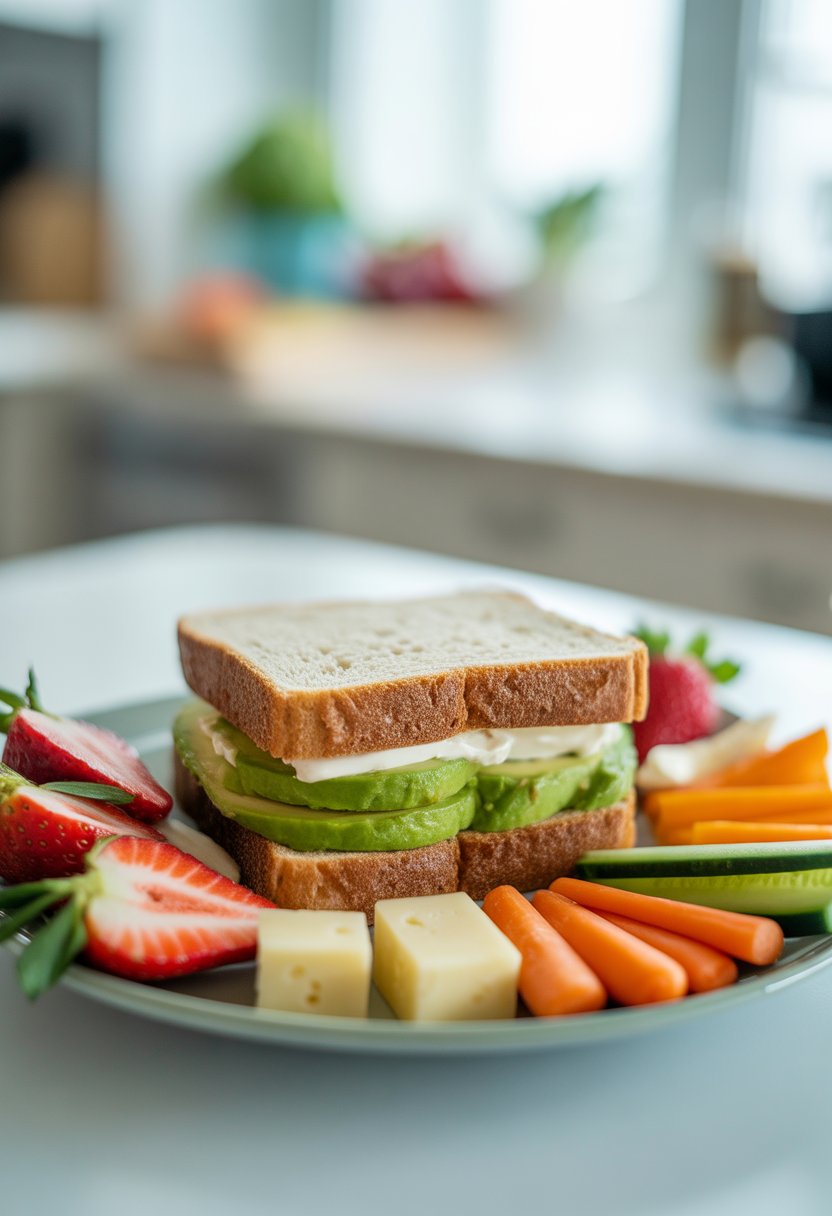
Avocado and cream cheese make a smooth and tasty sandwich. This combo is soft, easy to eat, and full of healthy fats.
Parents can mash ripe avocado and spread it on bread with a layer of cream cheese. Some kids like it plain, while others may enjoy a little seasoning.
Cutting the sandwich into small pieces helps toddlers handle it by themselves. This meal works well for lunch at home or packed in a lunchbox.
6) Scrambled eggs with spinach and cherry tomatoes
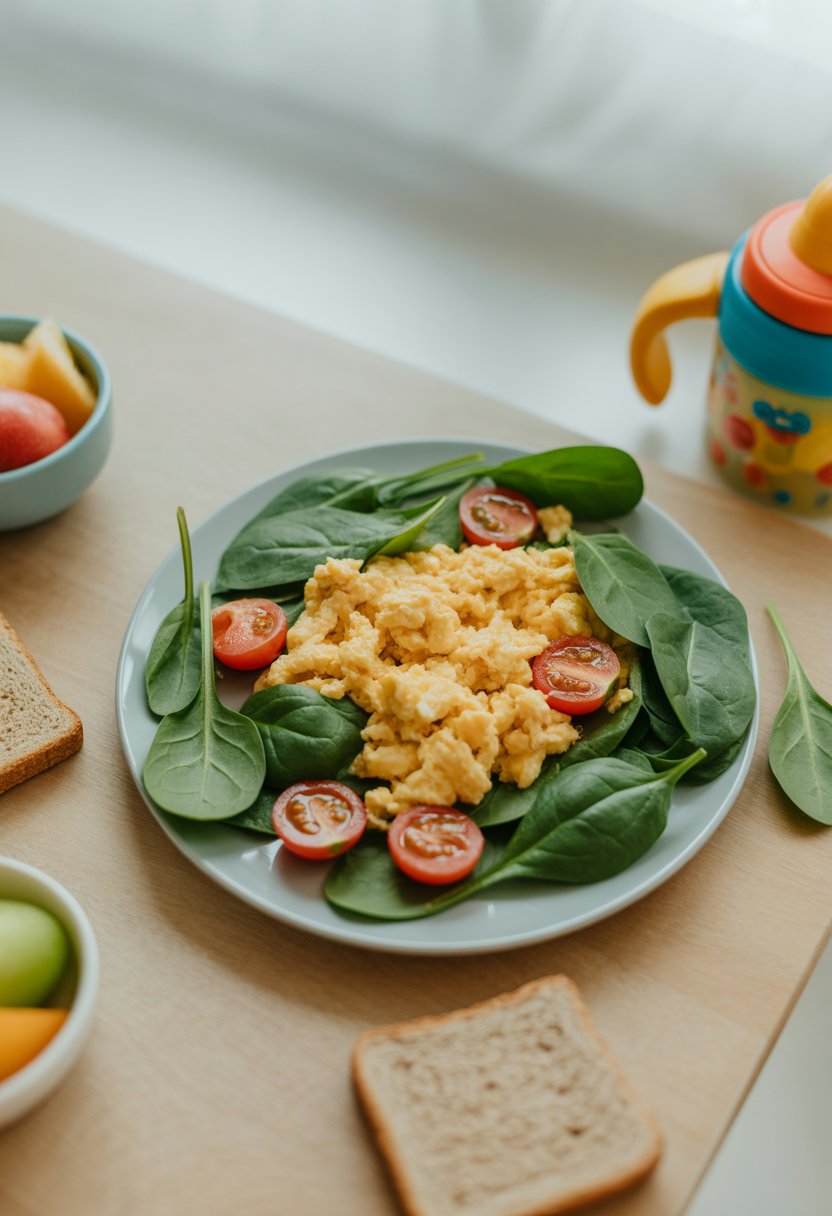
Scrambled eggs with spinach and cherry tomatoes make a quick and nutritious meal for toddlers. Eggs provide protein, while spinach and tomatoes add vitamins and color.
To prepare, gently cook diced tomatoes and chopped spinach in a non-stick pan for a few minutes. Add beaten eggs and scramble until set.
This dish can be served plain or with a small slice of whole grain toast.
7) Mini chicken and vegetable stir-fry
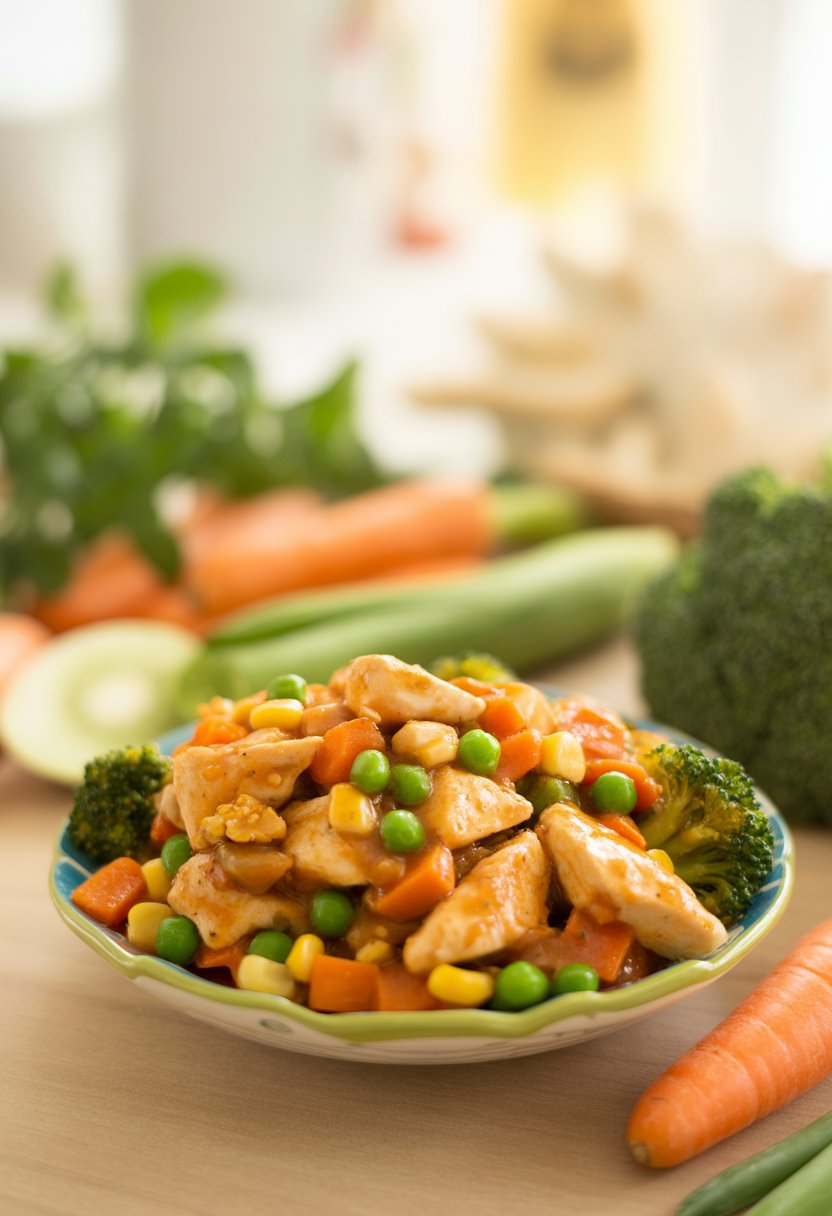
This meal uses small pieces of chicken and soft vegetables like carrots, broccoli, and bell peppers. These foods are easy for toddlers to chew and enjoy.
The chicken and veggies can be cooked together in a little olive oil or sesame oil. Adding a mild sauce like a simple mix of soy sauce and honey gives flavor without being too strong.
It works well served over rice or noodles. Parents can easily swap in other vegetables their child likes.
Understanding Toddler Nutrition
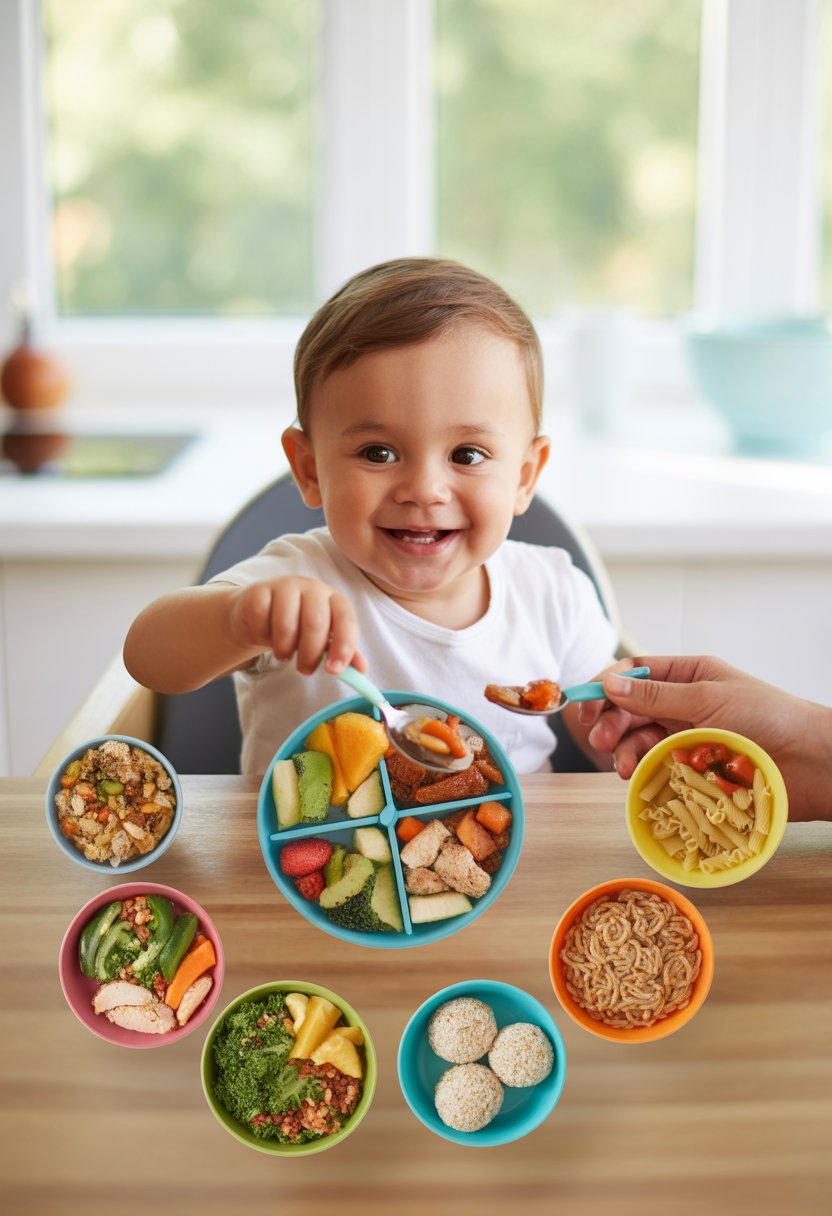
Toddlers need a mix of nutrients to support their growth, energy, and brain development. Using safe ingredients and managing potential allergens helps keep their meals both healthy and safe.
Key Nutrients for Growth
Toddlers are growing fast and need certain nutrients every day. Protein is important for muscle growth and repair. Good sources are lean meats, eggs, beans, or yogurt.
Whole grains such as brown rice, oatmeal, and whole wheat bread give them energy and fiber. Fruits and vegetables supply vitamins and minerals, like vitamin C and vitamin A, which support the immune system and vision.
Dairy food, such as milk or cheese, provides calcium and vitamin D. These help with strong bones and teeth. Healthy fats—for example, those in avocado, nut butters, and fatty fish—support brain development.
Below is a quick look at important nutrients and their sources:
| Nutrient | Examples of Food Sources |
|---|---|
| Protein | Chicken, tofu, beans, yogurt |
| Whole Grains | Brown rice, oats, whole-wheat |
| Fruits/Veggies | Berries, carrots, broccoli |
| Dairy | Milk, cheese, yogurt |
| Healthy Fats | Avocado, eggs, nut butters |
Safe Ingredients and Allergen Awareness
For toddlers, safety comes first when choosing ingredients. Foods should be cut into small pieces to prevent choking. Grapes, cherry tomatoes, and sausages need to be sliced, and tough or sticky foods can be avoided or softened.
Allergies are another key concern. Common allergens for toddlers include milk, eggs, peanuts, tree nuts, wheat, soy, fish, and shellfish. Families should watch closely when trying new foods, introducing only one new food at a time to spot any reactions.
Reading labels is important because some allergens might be hidden in packaged foods. If a child has known allergies, caregivers should always check ingredient lists and avoid cross-contact in the kitchen.
Offering a variety of foods can help children get all the nutrients they need while reducing the risk for picky eating. Consistency and supervision at meals keep eating safe for everyone.
Tips for Encouraging Healthy Eating Habits
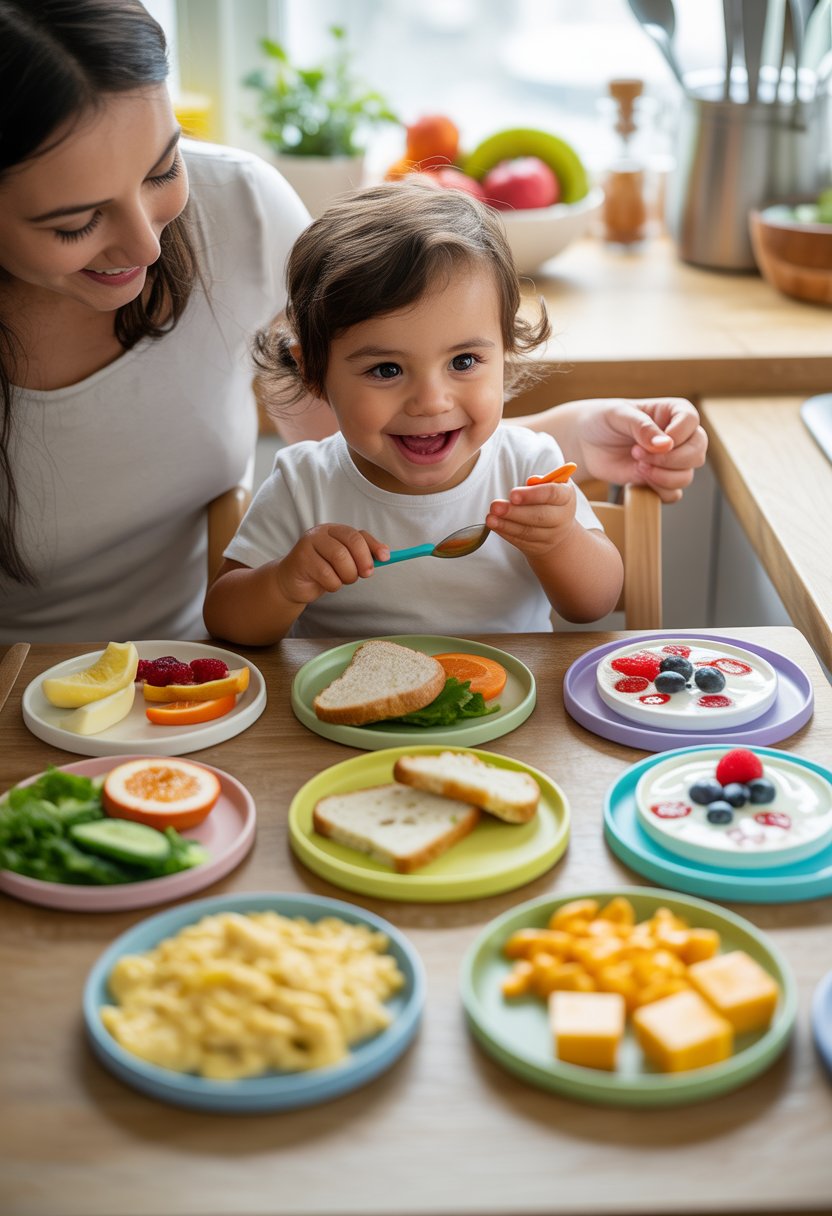
Toddlers often need time to get used to new foods and meals. Positive routines around food and gentle encouragement can help them develop good eating habits.
Making Mealtime Enjoyable
Mealtime should feel relaxed and welcoming. Caregivers can set a good example by eating healthy foods themselves. Sharing meals as a family helps toddlers learn by watching others.
Keep distractions like toys and screens away from the table. This helps toddlers focus on their food and the people around them. Serve meals and snacks at regular times each day to give structure and security.
Offer finger foods, small portions, and a mix of different colors and textures. Kids are more likely to eat when things look fun and inviting. Try using a child-sized plate or bowl to keep things manageable.
Celebrate when toddlers try something new, even if they don’t eat much. Praise effort rather than insisting they finish everything. This builds confidence and keeps pressure low.
Dealing With Picky Eaters
Picky eating is common at this age. Stay patient and avoid forcing kids to eat or punishing them for saying no. Instead, offer a variety of foods again and again, even if they refused the food before.
Make a list of healthy choices your toddler likes and offer those frequently. Combine familiar favorites with new foods to encourage tasting. Try letting the child help choose or prepare meals—kids are sometimes more willing to try food they helped make.
Keep serving sizes small, about one tablespoon per year of age. This reduces waste and is less overwhelming for the child. If they want more, they can always ask.
Avoid making separate “kid meals.” Instead, offer what the family is eating, with possible slight changes for safety or allergies. Offer praise for trying new foods and keep meals calm and upbeat. Consistency and patience help most toddlers grow out of picky eating in time.
Frequently Asked Questions
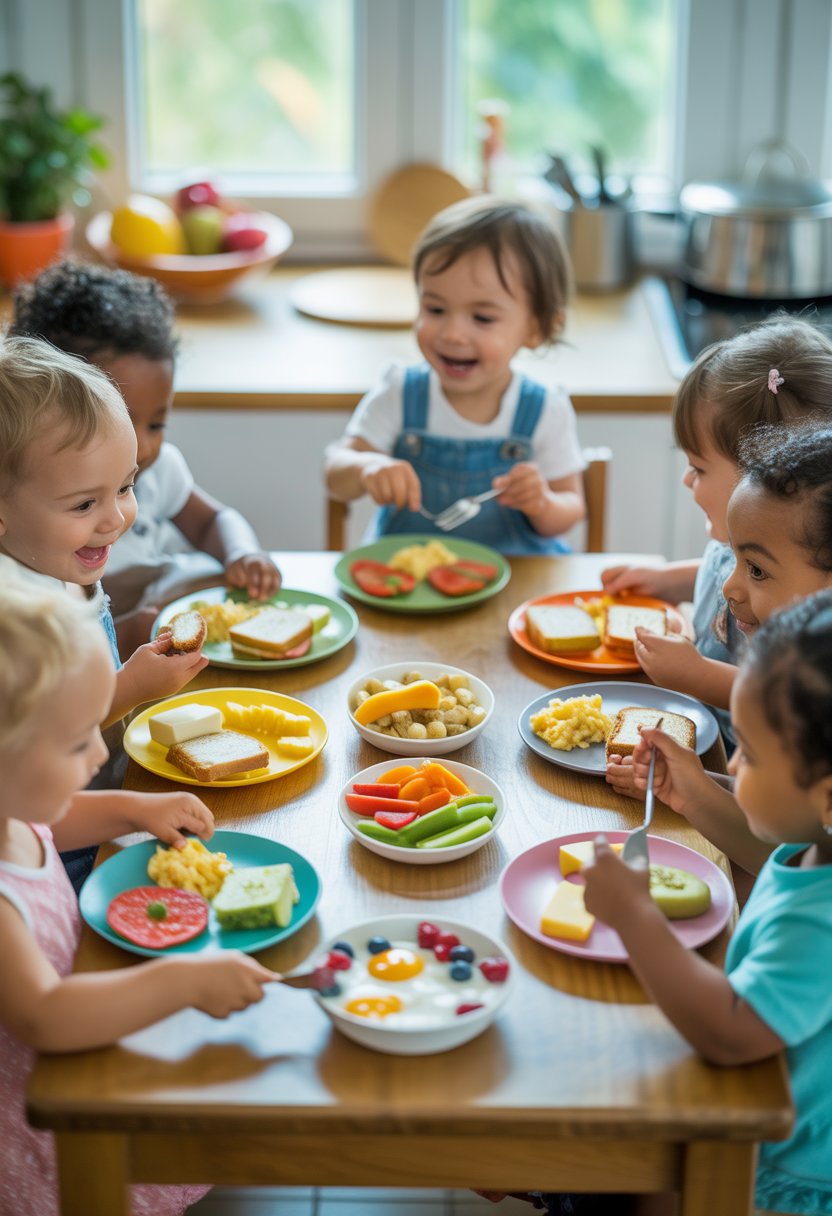
Feeding toddlers can require creativity and planning. Meals should be balanced with protein, grains, fruits, and vegetables, while still appealing to a young child’s tastes and textures.
What are some nutritious meal plans for toddlers 12-18 months old?
A toddler between 12 and 18 months often enjoys finger foods and simple meals. Options like banana oat pancakes, diced cooked veggies, and soft fruit slices work well. Mini turkey and vegetable meatballs, mild steamed broccoli, and mashed sweet potatoes are also suitable.
Serve water with meals and avoid foods that are choking hazards, such as whole grapes or large chunks of meat.
Can you suggest toddler meal ideas for a 2-year-old with a diverse palate?
Toddlers open to different flavors may enjoy sweet potato and black bean quesadillas, avocado and cream cheese sandwiches, and vegetable stir-fry with soft rice. Small portions of pasta with marinara sauce can be added for variety.
A mild curry with soft vegetables or soft pieces of fruit on the side can encourage tasting new foods.
What are some simple and healthy dinner options for a 3-year-old toddler?
Cheesy broccoli and rice casserole is often popular. Mini turkey and vegetable meatballs served with steamed carrots are simple to prepare.
Other healthy dinners include whole grain quesadillas with beans, scrambled eggs with spinach, and soft-cooked pasta with blended vegetable sauces.
Could you provide meal suggestions for 1-year-olds just starting solid foods?
For young toddlers starting on solids, focus on soft, easily mashed items. Banana slices, cooked carrot pieces, and mashed avocado are safe choices.
Cheese cubes, scrambled eggs, and tiny bites of banana oat pancake are gentle for new eaters. Always watch for allergies when offering new foods.
How can parents accommodate picky eaters when planning toddler meals?
To help picky eaters, combine familiar ingredients with something new. Offer mini turkey and vegetable meatballs or banana oat pancakes, which are popular with many toddlers.
Letting toddlers help pick or mix ingredients in simple recipes can sometimes increase their interest in trying new foods.
What are some family-friendly meals that are easy to prepare for both toddlers and adults?
Cheesy broccoli and rice casserole or sweet potato and black bean quesadillas are suitable for the whole family. Avocado and cream cheese sandwiches can be made in larger portions for adults.
Swap spices and toppings after serving the toddler portion to make the meal more flavorful for older family members. Meals with mild flavors tend to work for everyone.