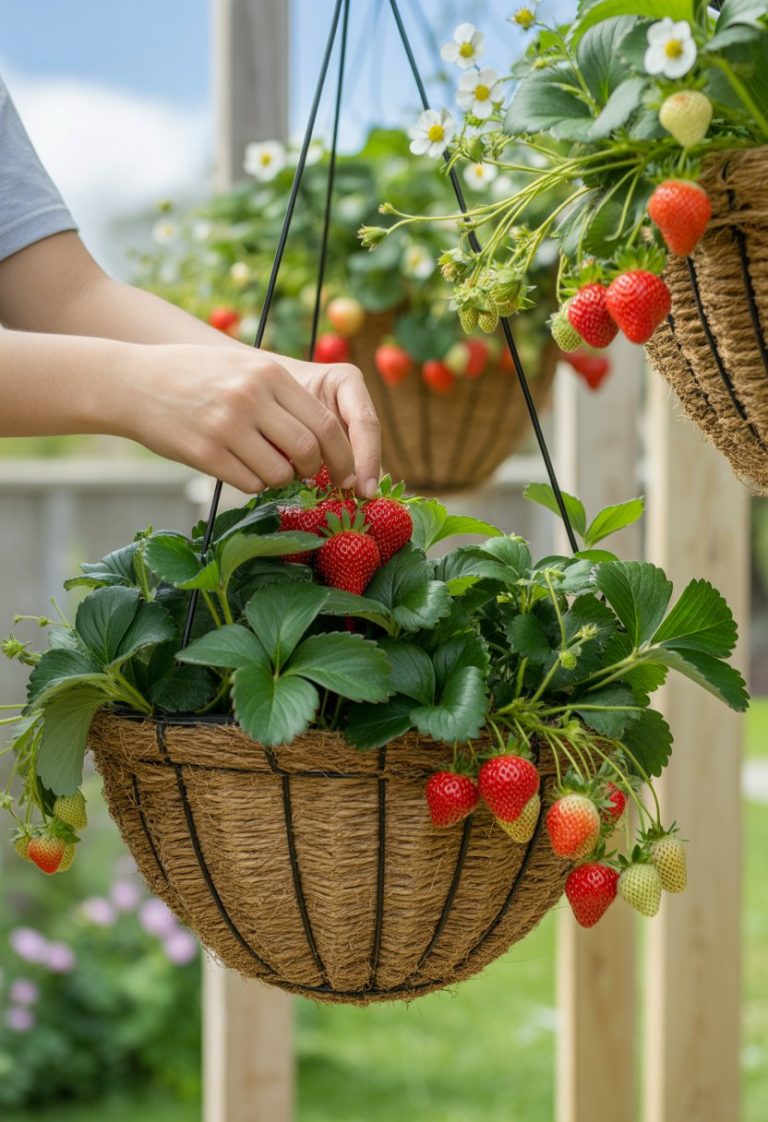
7 Small Space Gardening Ideas That Will Transform Your Tiny Outdoor or Indoor Space
Introduction: Think You Can’t Garden in a Small Space? Think Again
Have you ever looked at your tiny balcony, narrow patio, or even just a sunny windowsill and thought, “Well, guess I can’t have a garden”? I used to think the same way.
I live in an apartment in the city where space is always limited. But here’s the surprising part—after some experimenting and a few trips down the Pinterest rabbit hole, I realized there are countless creative ways to garden in small spaces. And let me tell you, they actually work.
So if you’ve been feeling stuck about where and how to start gardening, this guide is for you. These small space gardening ideas are designed to help you make the most of whatever area you have—no backyard necessary.
Let’s dig into it.
1. Vertical Gardening: Use Your Walls
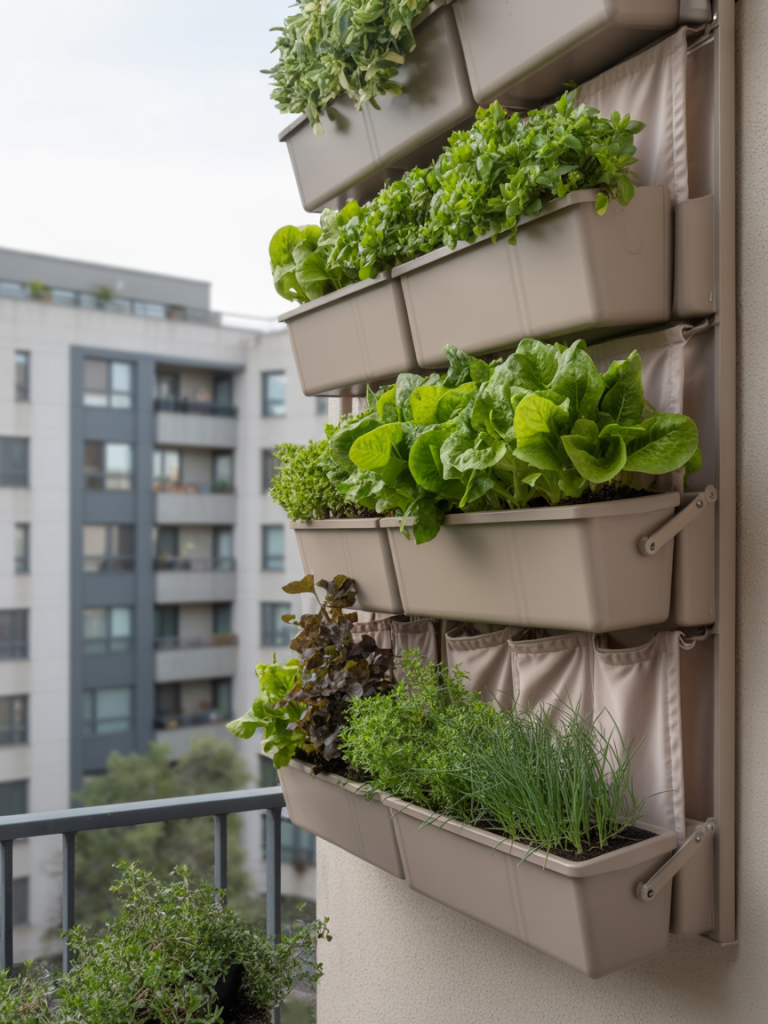
Why It Works:
One of the most effective ways to garden in a tight space is to grow up instead of out. Vertical gardening is perfect for patios, fences, balconies, or even indoor walls near windows.
How To Get Started:
- Install vertical planters, wall-mounted pots, or garden pocket organizers.
- Repurpose items like wooden pallets or old ladders.
- Plant herbs, succulents, lettuce, or even strawberries.
Key Tip: Make sure the vertical structure gets at least 4–6 hours of sunlight if you’re growing edible plants. You can rotate pots if needed for even light exposure.
Bottom Line: Vertical gardening saves floor space while doubling as beautiful wall art.
2. Container Gardening: Portable and Practical
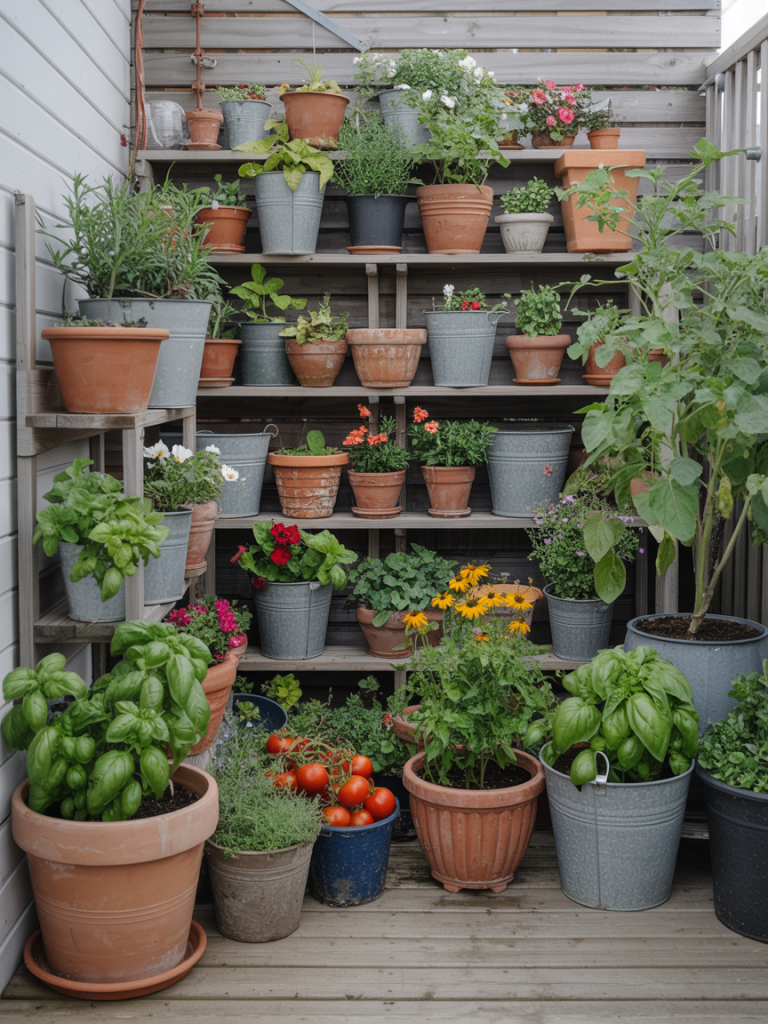
Why It’s a Classic:
Containers are incredibly versatile. They’re ideal for renters or anyone who wants to move plants around with ease. Plus, you can grow everything from herbs to vegetables to flowers in them.
What You Can Grow:
- Herbs: basil, mint, cilantro, thyme
- Vegetables: tomatoes, peppers, carrots, spinach
- Flowers: marigolds, pansies, petunias
Quick Tips:
- Choose containers with good drainage.
- Use high-quality potting mix (not garden soil).
- Consider self-watering containers if you’re busy or forgetful.
Bonus: Even old buckets, baskets, or tin cans can make great planters with a little creativity.
3. Herb Towers: Stack Your Greens
If you love cooking with fresh herbs but don’t have much room, herb towers are a fantastic option. They let you grow multiple herbs in a compact, vertical structure.
How To Build One:
- Stack 3 to 5 pots of decreasing size.
- Insert a stabilizing rod through the center to keep it secure.
- Plant a different herb in each level.
Best Herbs for Towers:
- Basil
- Chives
- Parsley
- Oregano
- Rosemary
Pro Tip: Place the tower in a sunny spot and rotate it occasionally for even growth.
This setup is not only functional but also a stylish feature on a small patio or windowsill.
4. Hanging Baskets: Float Your Garden
When ground space is limited, look up. Hanging baskets allow you to garden vertically and create visual interest at eye level or above.
Ideal Plants for Hanging Baskets:
- Strawberries
- Cherry tomatoes
- Lettuce
- Trailing flowers like fuchsias or petunias
Where To Hang Them:
- From a ceiling hook on your balcony or porch
- Under eaves or a pergola
- Indoors near bright windows
Make sure your hooks are secure and that the baskets don’t block movement or doorways.
Why It’s Effective: Hanging baskets make use of often-wasted space and give your area a layered, lush look.
5. Rail Planters: Use Every Inch of Your Balcony
Don’t overlook your balcony railing—it’s prime gardening real estate. Rail planters hang over the railing and allow you to grow plants without sacrificing any floor space.
What to Plant:
- Herbs and leafy greens
- Small flowering plants like pansies or begonias
- Trailing plants that hang down the sides
Tips for Success:
- Use adjustable or universal-fit rail planters for easy installation.
- Choose lightweight soil to avoid overloading the railing.
- Water regularly, as these planters tend to dry out faster.
Added Bonus: Rail planters can add privacy and color to your outdoor area.
6. Tiered Shelving: Stack in Style
If you have an empty wall or corner, tiered shelving is a simple way to create a mini garden without cluttering your space.
How to Use It:
- Repurpose old bookshelves or use a step ladder as a vertical plant stand.
- Place sun-loving plants on the top shelf and shade-tolerant ones below.
- Style it with pots of varying shapes and colors for added charm.
Great For:
- Succulents
- Houseplants
- Potted vegetables
Shelving also keeps your plants organized and makes maintenance easier.
Why You’ll Love It: It keeps things tidy and turns any empty spot into a functional green corner.
7. Windowsill Gardens: Indoors Can Work Too
No balcony? No backyard? You can still garden indoors. A sunny windowsill can be the perfect place to grow fresh herbs and greens.
Best Plants for Indoors:
- Basil
- Parsley
- Chives
- Green onions
- Microgreens
What You’ll Need:
- A south-facing window (or west-facing, if that’s all you’ve got)
- Shallow containers with good drainage
- A tray underneath to catch water
If your windows don’t get enough light, consider using a small grow light to help your plants thrive.
Bonus Tip: Indoor gardening not only adds greenery but also helps purify the air and enhance your kitchen vibes.
Extra Tips for Small Space Gardening
If you’re working with a small area, every square inch matters. These tips will help you get even more out of your space:
- Use mirrors to reflect light and make the area feel bigger.
- Add wheels to heavy pots so you can move them easily based on weather or sunlight.
- Companion plant to grow plants that benefit each other, such as basil and tomatoes.
- Choose dwarf or compact plant varieties when possible.
The more intentional you are about your setup, the more productive your small garden can be.
Conclusion: Big Things Can Grow in Small Spaces
Hopefully, you now realize that gardening doesn’t require a huge backyard. In fact, some of the most beautiful and productive gardens come from the most unexpected spaces—a windowsill, a fire escape, a balcony corner.
With just a few containers, some creativity, and the right planning, you can grow herbs, vegetables, and flowers right where you are. Whether you’re a total beginner or someone just looking to expand your green thumb indoors, these small space gardening ideas will help you get started without feeling overwhelmed.
So what’s the first plant you’re going to grow?
Trust me—once you taste your first homegrown cherry tomato or snip fresh basil for dinner, you’ll be hooked. Happy planting.