5 Small Space Gardening Ideas for Urban Homes and Apartments
Many people want to enjoy a garden, but small yards, patios, or balconies can make it feel impossible. Finding simple ways to use limited space makes it easier to add greenery and beauty, no matter how tiny the area is.
Anyone can create a relaxing and attractive garden, even with just a little room to work with. These gardening ideas are made to help anyone see the possibilities in small spaces and encourage them to start growing right where they are.
1) Use vertical planters and hanging baskets to maximize limited ground space
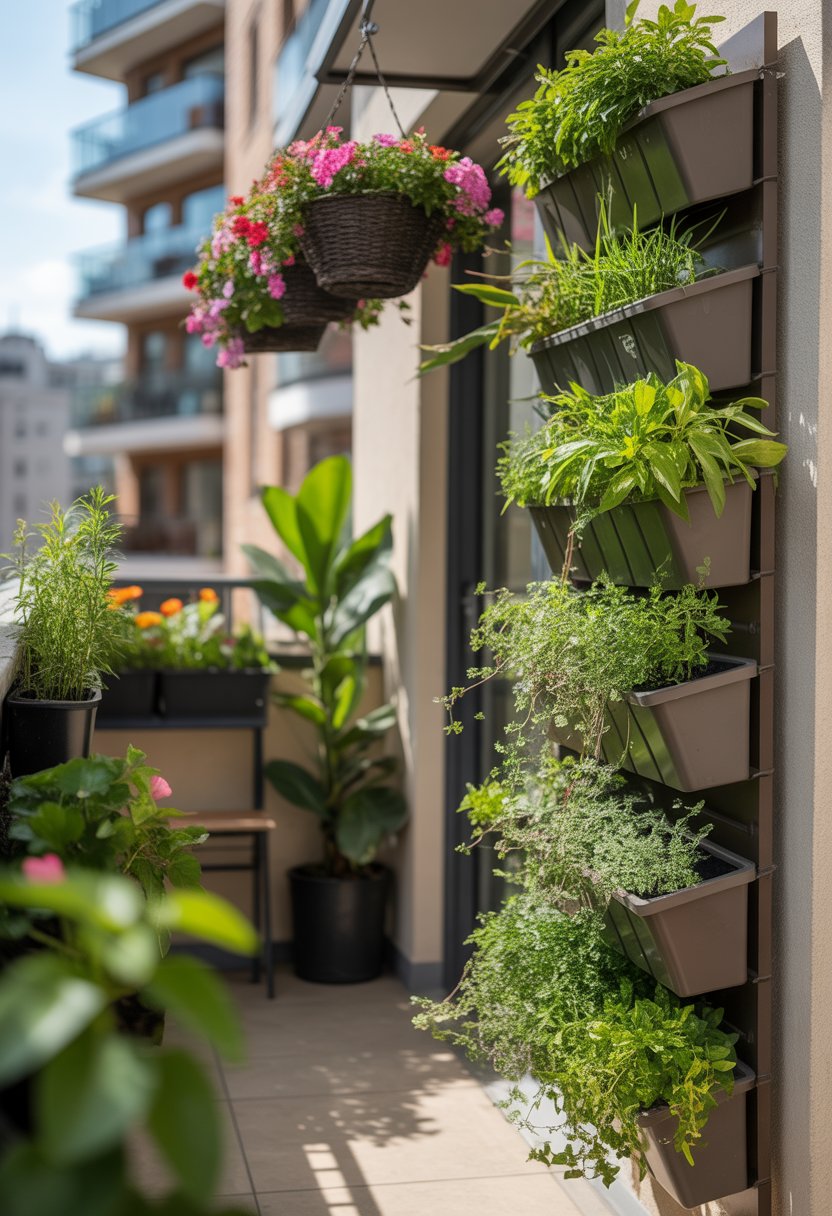
Vertical planters and hanging baskets help save space by letting gardeners grow plants upwards instead of outwards. This technique is useful for small balconies, patios, or even indoor areas.
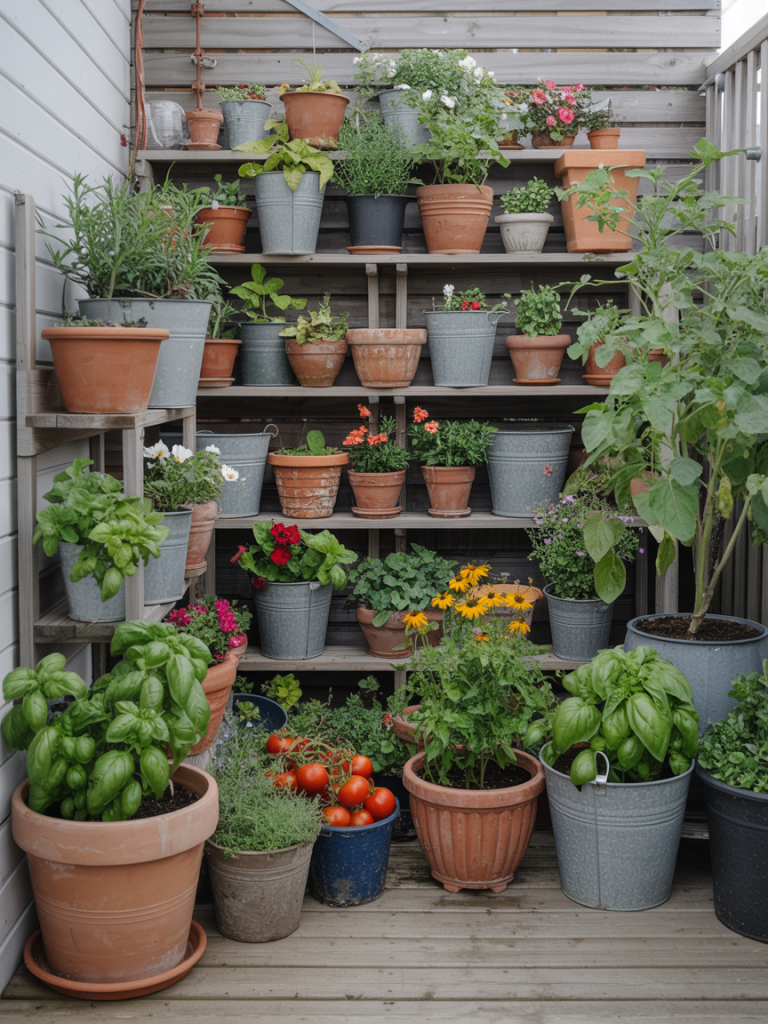
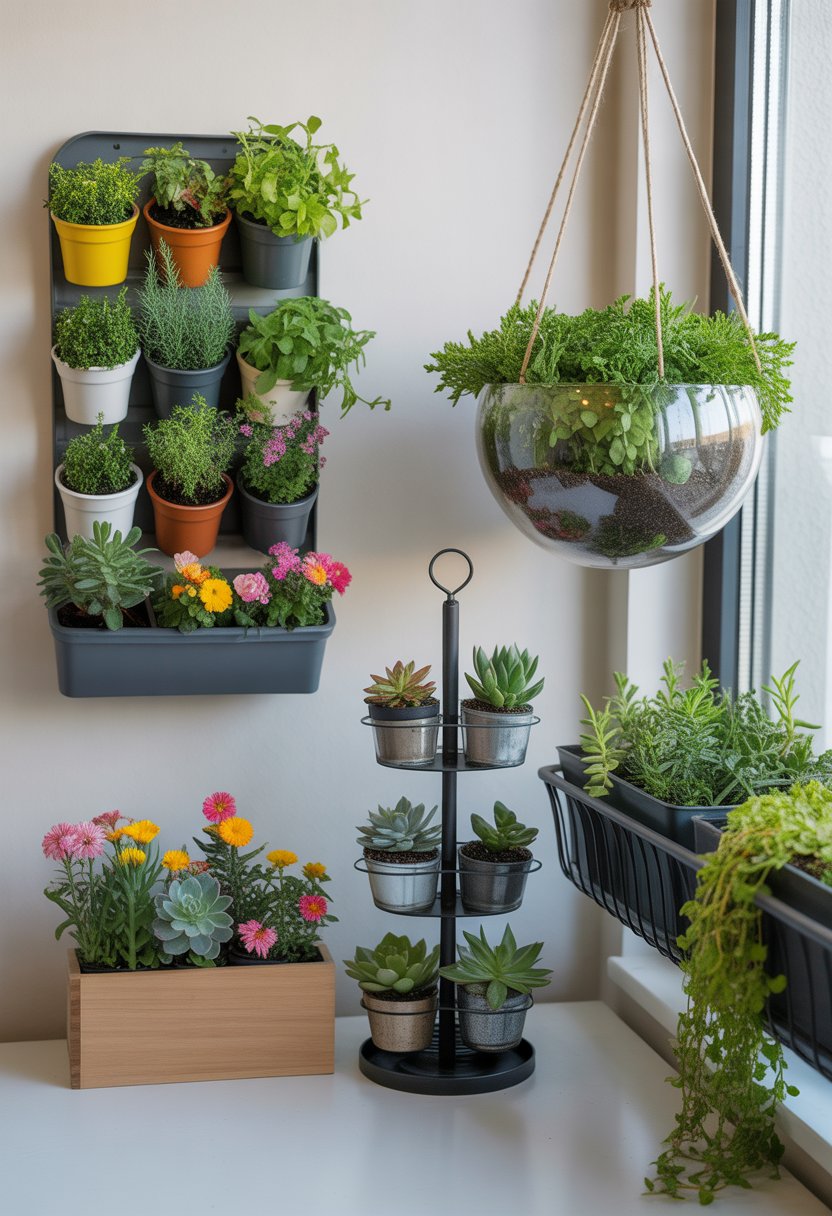
People can use shelves, wall-mounted planters, or even a pegboard to arrange their plants neatly and keep the floor clear, as shown with some vertical gardening ideas.
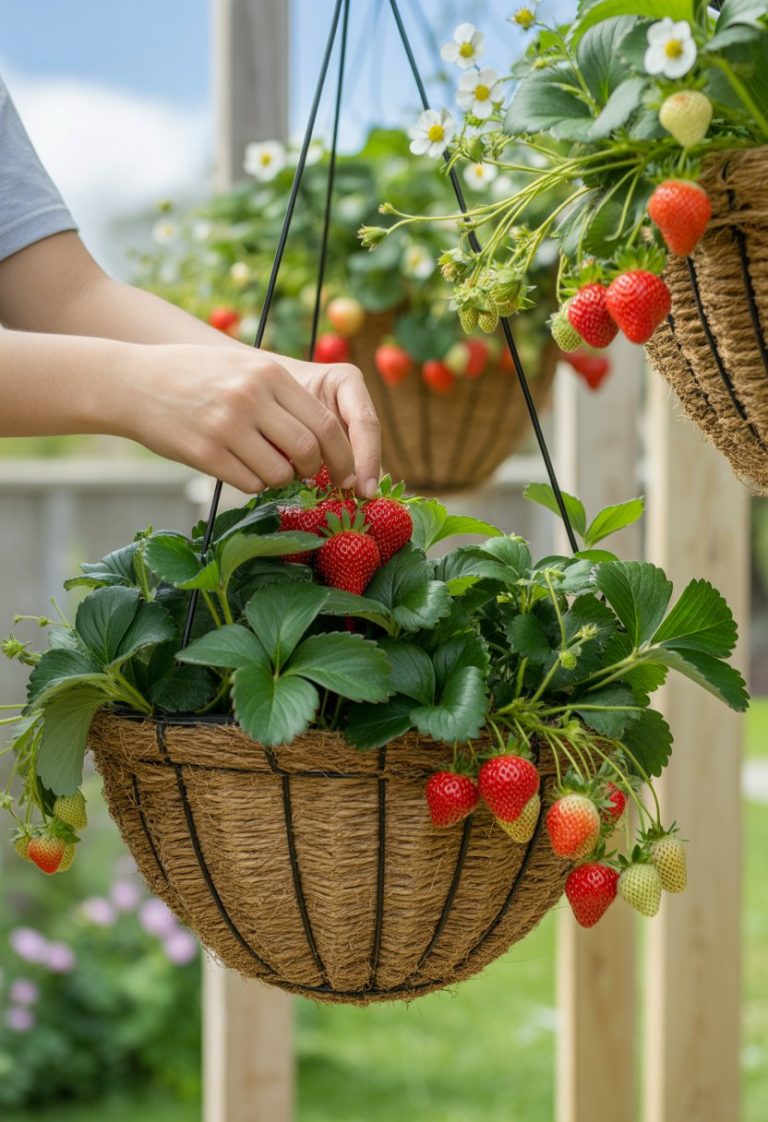
Hanging baskets can be placed on railings or hooks, making use of unused space and adding greenery at eye level.
2) Incorporate stackable or elevated garden boxes for added depth and ease of access
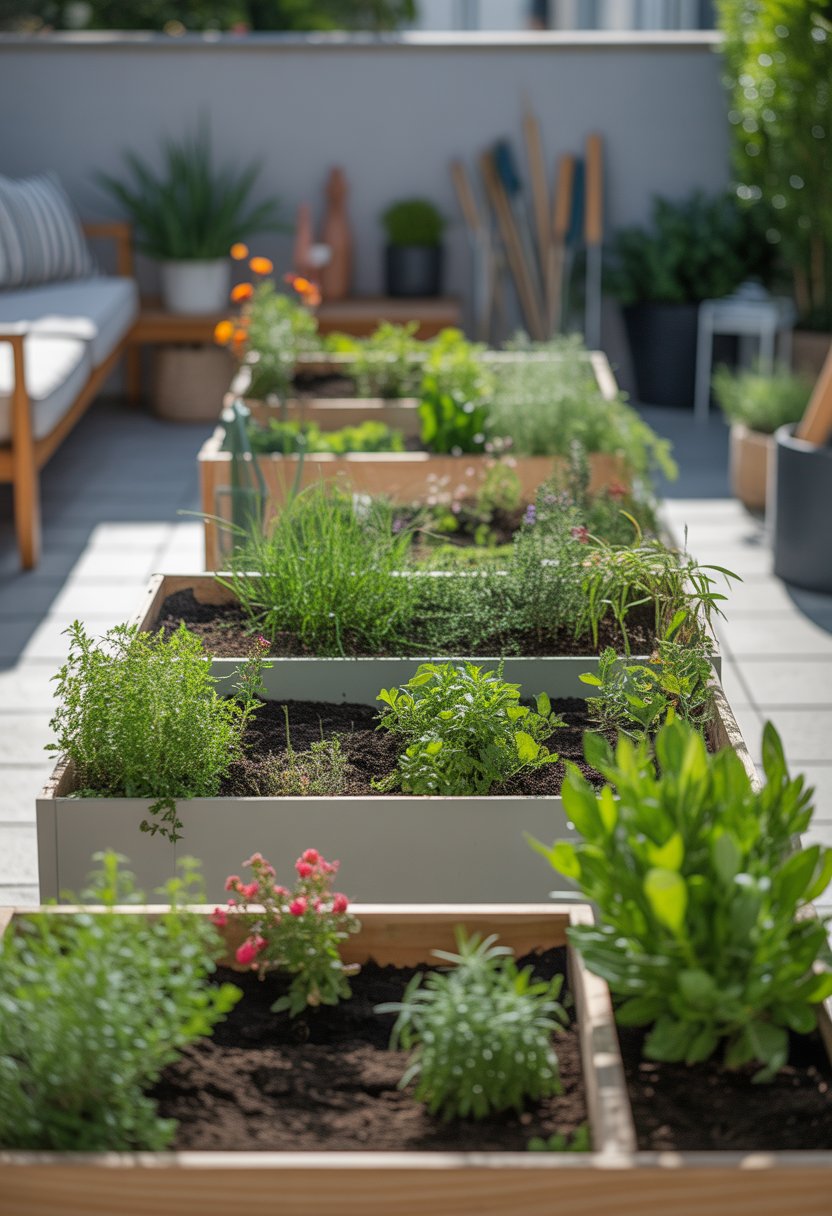
Stackable and elevated garden boxes help gardeners use every inch of a small area. These boxes can be placed on patios, balconies, or even steps, making them fit into tight spaces.
Elevated boxes are typically raised 24 to 36 inches, making it easier to tend plants without bending down. Stackable options can also add height and visual interest to a small garden.
They support better drainage and keep plants at a reachable level for planting and care. Using these garden boxes is a smart way to organize a compact garden space for both style and function. For more ideas, see these elevated garden box solutions and space-savvy small garden ideas.
3) Create a compact herb spiral for efficient use of small garden areas
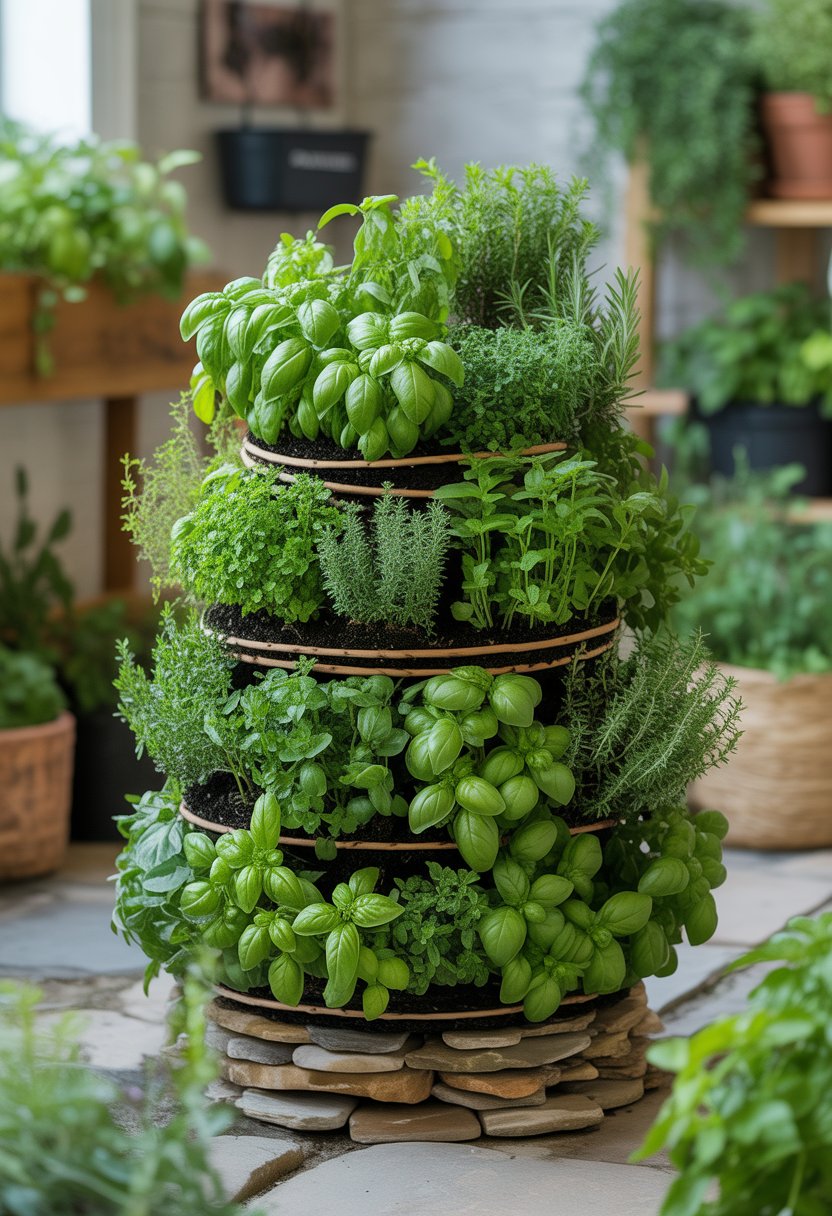
A compact herb spiral is a smart way to fit many herbs in a small spot. It uses a winding, raised shape that goes up to save room and create different zones for plants.
Gardeners can use stones, bricks, or even grow bags to build one, making it work for patios, yards, and balconies. The spiral design offers microclimates for each herb, so sun-loving herbs go at the top and shade-loving herbs at the bottom.
4) Opt for a minimalist plant palette to maintain a clean, cohesive look
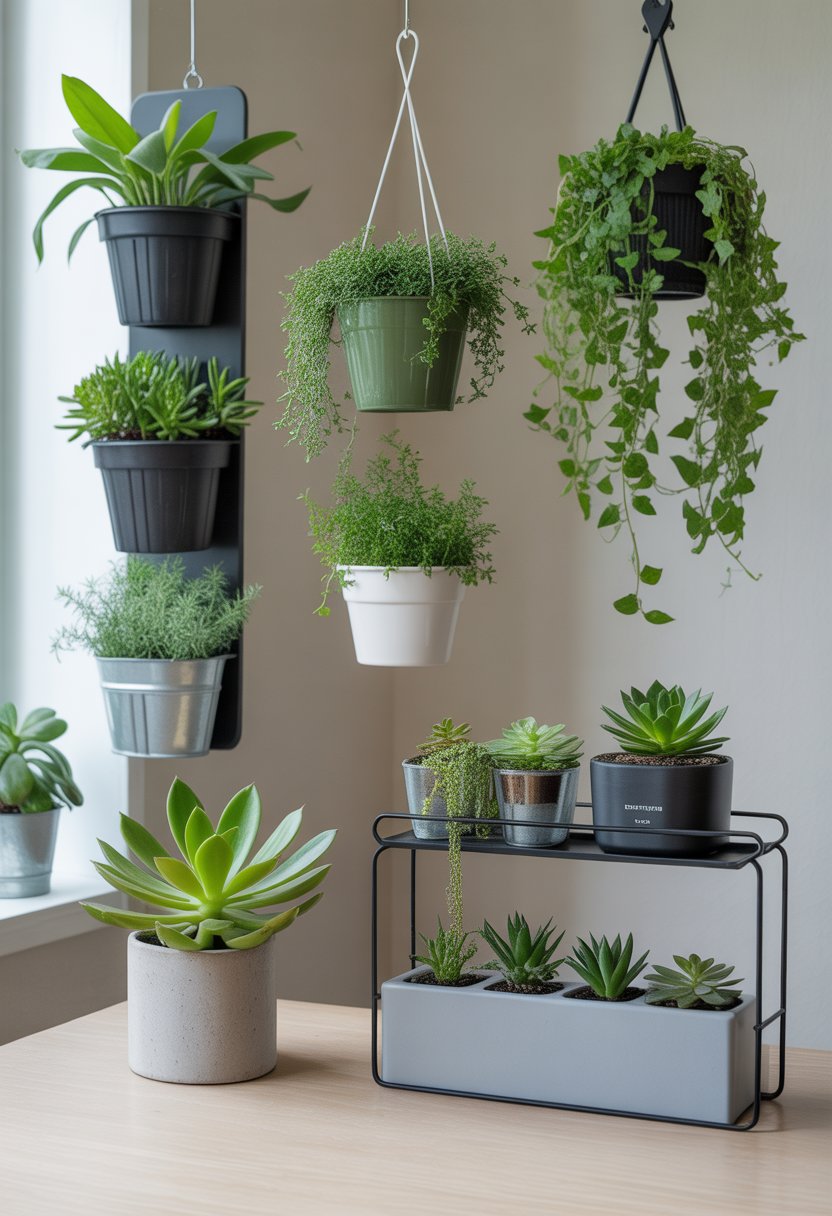
A minimalist garden uses just a few types of plants to create a calm and uncluttered space. Experts suggest choosing three to five varieties for a simple, unified effect.
Sculptural trees or neatly shaped bushes add structure without making the area look busy. Arranging plants in straight lines, grids, or clusters helps keep the design tidy and balanced. For more tips see these minimalist garden ideas.
5) Install trellises or arbors to support climbing plants and add structure
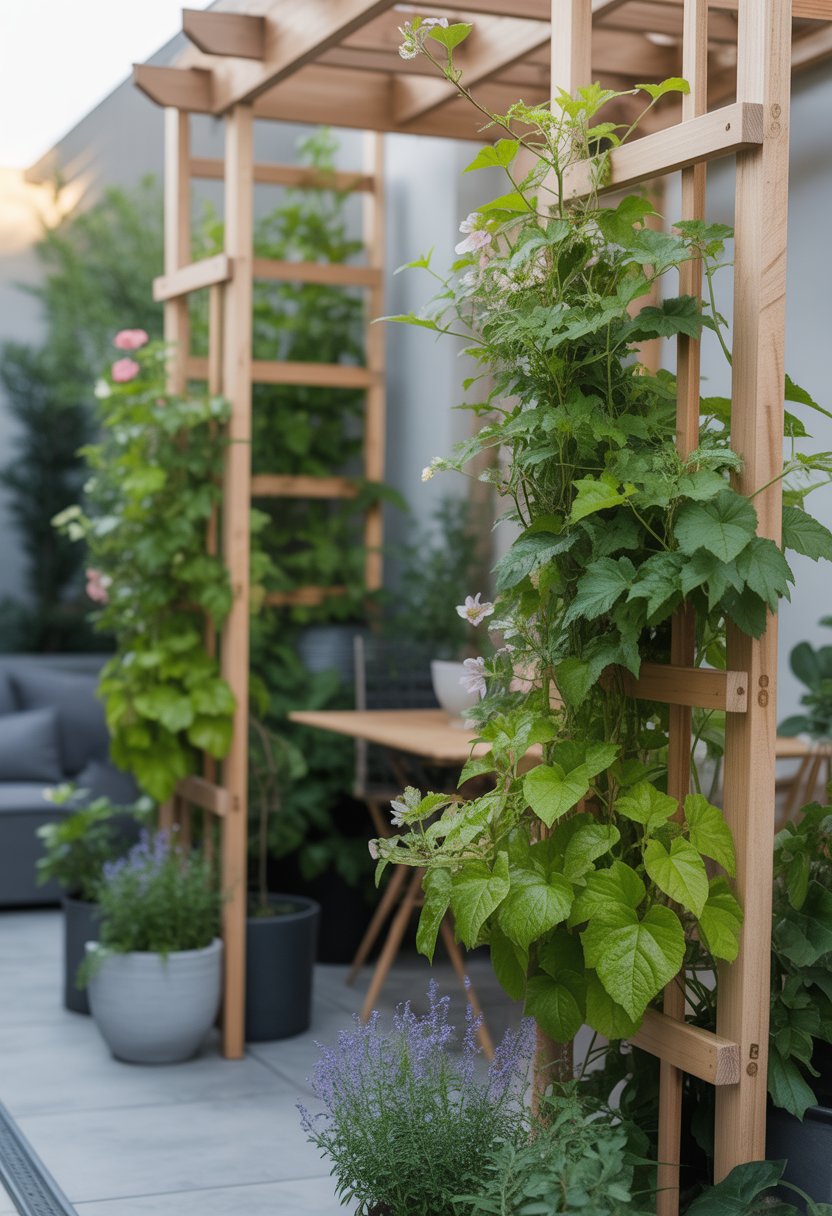
Trellises and arbors use vertical space, making them practical for small gardens. They help climbing plants like peas, beans, or cucumbers grow upward instead of outward.
These supports make gardens look organized and give vines a sturdy place to attach. They also create visual interest and separate different areas of the yard. Many styles and materials are available to match any garden design.
For more inspiration, see these simple trellis ideas that support climbing plants or creative vine supports.
Maximizing Yield in Limited Spaces
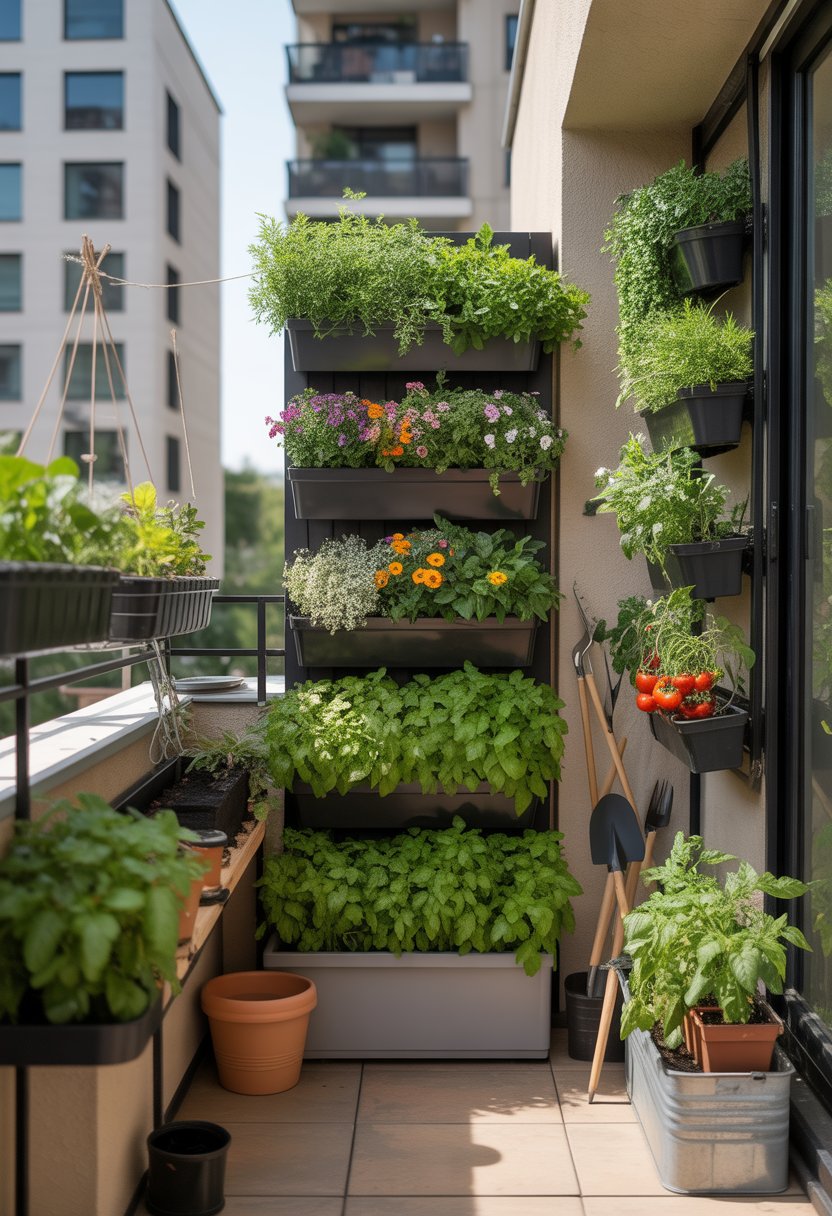
Getting the most out of small gardens takes careful planning and smart use of space. Thoughtful choices in soil, containers, and growth methods can help anyone produce more vegetables or herbs, even in tight areas.
Soil and Container Choices
The right soil is the foundation of a productive garden, especially when space is limited. High-quality potting mix with added compost gives plants nutrients and improves root growth. Soil should drain well but also hold enough moisture to keep roots hydrated between waterings.
Container choice matters too. Deeper containers are better for root crops like carrots, while shallow ones work for leafy greens or herbs. Using raised beds or garden boxes can improve yields, as they warm up faster in spring and stop soil from getting compacted. Materials like wood, plastic planters, and even bricks can be used for raised beds, making this method flexible for different budgets and spaces.
Self-watering containers and fabric pots also help because they allow better air flow around roots and reduce the risk of overwatering. By picking the best soil and container combination, small gardens can support more plants in less space.
Vertical Growth Techniques
Growing vertically is one of the most effective ways to maximize yield in a small garden. This method uses trellises, shelves, or even walls to support vining plants like peas, tomatoes, and beans. Stacking plants upward lets gardeners fit more into tiny patios, balconies, or limited yard space.
Structures like cages or stakes provide needed support for heavy fruit or taller plants. Wall planters and hanging baskets are great for herbs or strawberries and add greenery to unused vertical space. Some people even turn fences into living walls by placing pots along the slats.
By combining different vertical gardening ideas such as shelves and hanging planters, gardeners can produce more food without expanding their garden’s footprint. These strategies not only increase yield but also make caring for and harvesting plants easier. See more small space gardening ideas to inspire your layout.
Maintenance Tips for Small Space Gardens
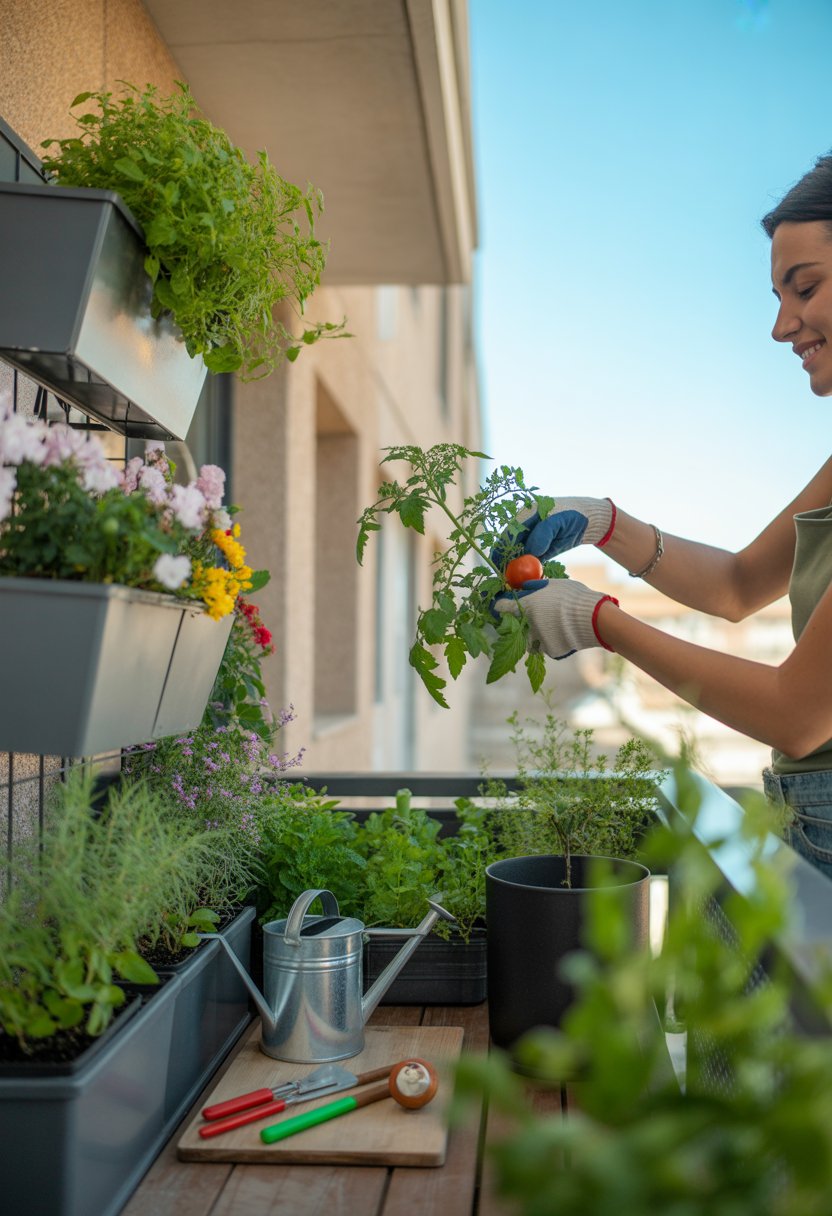
Keeping a small space garden healthy requires consistent and thoughtful care. The most important areas to focus on are how water is delivered and controlling pests in a way that protects both people and plants.
Efficient Watering Methods
Proper watering is critical for small gardens. Because there is less soil, containers and raised beds dry out faster than traditional gardens. Gardeners should check the soil every morning. The top inch should feel slightly damp, not dry or soggy.
For best results, use a watering can with a narrow spout or a drip irrigation system for precision. Drip irrigation reduces water waste and keeps leaves dry, which helps prevent fungal diseases. Grouping plants with similar water needs in the same area can make watering more efficient and prevent overwatering.
Tip: Mulching with small pebbles or straw helps lock moisture into the soil. This can reduce the need for frequent watering, especially during hot weather. For more on routine care in small areas, see these garden care and maintenance tips.
Integrated Pest Management
Managing pests in close quarters can be tough because a problem can spread fast in a small area. The best approach is to check plants often for early signs of trouble, like holes in leaves or sticky residue. Hand-picking larger pests or using a firm spray of water can remove some insects without chemicals.
Consider using natural solutions like neem oil or insecticidal soap for mild problems. Encourage helpful insects—such as ladybugs and lacewings—which eat common pests. Also, keep the area tidy by removing dead leaves and checking hidden spots where insects hide.
Planting flowers like marigolds or herbs such as basil can help repel certain pests naturally. Regular inspections and quick actions are essential for urban gardeners and small space growers to keep plants healthy without resorting to strong chemicals.
Frequently Asked Questions
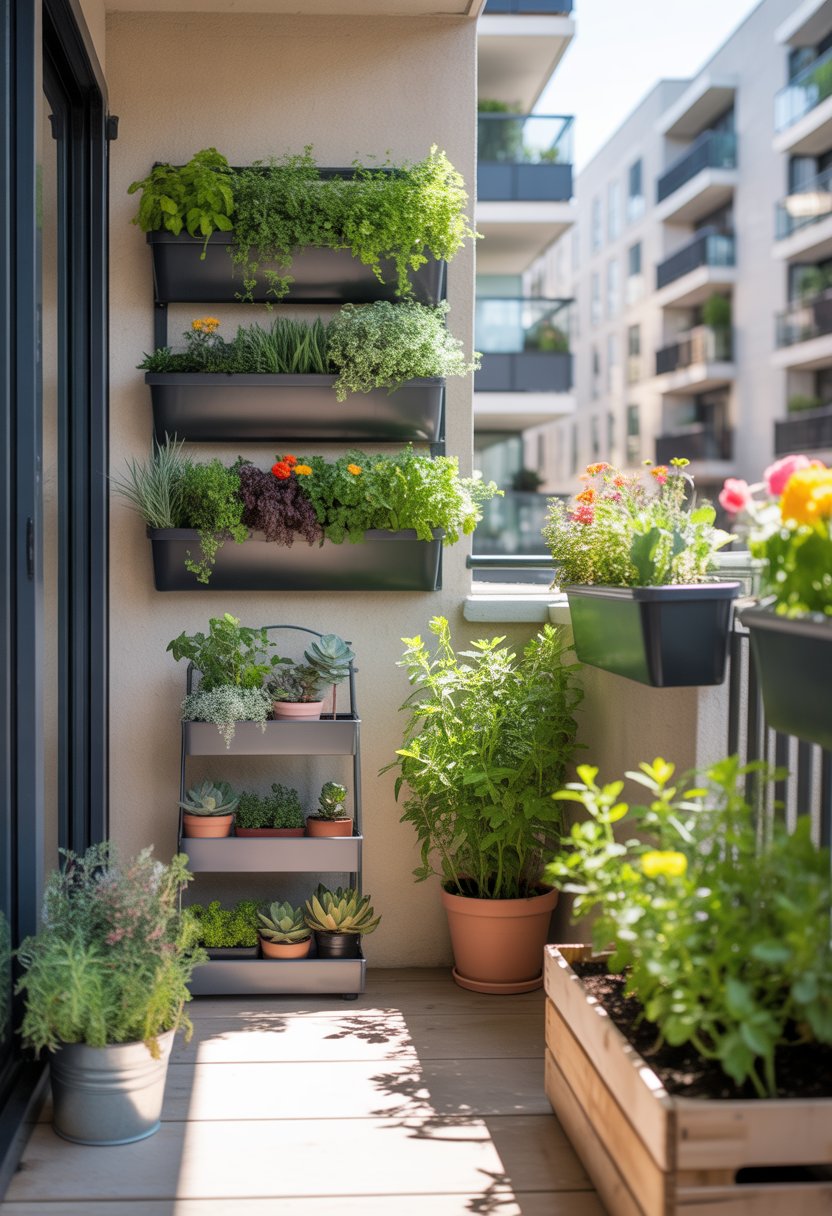
Small space gardens benefit from smart layouts, easy-care plants, and creative structures such as trellises or elevated boxes. Careful plant choices and containers can help create a garden that looks attractive while remaining practical.
How can I make the most out of a very small garden on a tight budget?
Gardeners can use recycled containers, old buckets, or even wooden crates as planters instead of buying new pots. Homemade compost improves soil for free. Hanging baskets and stackable planters help grow more in less space, making small gardens both affordable and efficient. Find more budget tips at Green Thumb Daily’s guide on gardening in small spaces.
What are some low maintenance plants suitable for small space gardening?
Succulents, herbs like thyme and chives, and shade-loving plants such as ferns require little attention and water. Dwarf varieties of vegetables or flowers also suit small areas and need less upkeep. These choices keep gardening manageable for busy or first-time gardeners.
Could you provide some layout tips for creating a visually appealing small garden?
Keeping a clean design with a simple color scheme helps avoid clutter. Placing taller plants like tomatoes at the back and shorter ones in front adds depth. Raised or stackable beds create layers, while grouping plants of different textures can make the space look more lively.
What are the best container gardening solutions for limited space areas?
Vertical planters, wall-mounted pots, and railing baskets make use of unused vertical space. Small rolling carts or stackable raised beds let plants grow in tight corners and can be moved when needed. More ideas and examples are given in this article on small space gardening solutions.
How do I optimize vertical space in a small garden for maximum greenery?
Install trellises, hanging baskets, or wall planters to grow upwards rather than out. Vines like peas or beans and climbing flowers such as morning glories thrive on these supports. Elevated garden boxes or plant shelves save ground space and let gardeners add more greenery.
Can you suggest modern design elements that work well in a small garden?
Minimalist plant arrangements using a few plant types help the space feel organized. Using geometric planters, sleek metal trellises, or LED lighting adds a modern look. Compact herb spirals or clean-edged raised beds fit well with modern design, making the space both stylish and functional.